
| Search Articles by topic |
|
|
Los Angeles Demolition Dumpster Rental Construction Debris Dumpster Rental Reviews: Everything You Need to Know Before Renting
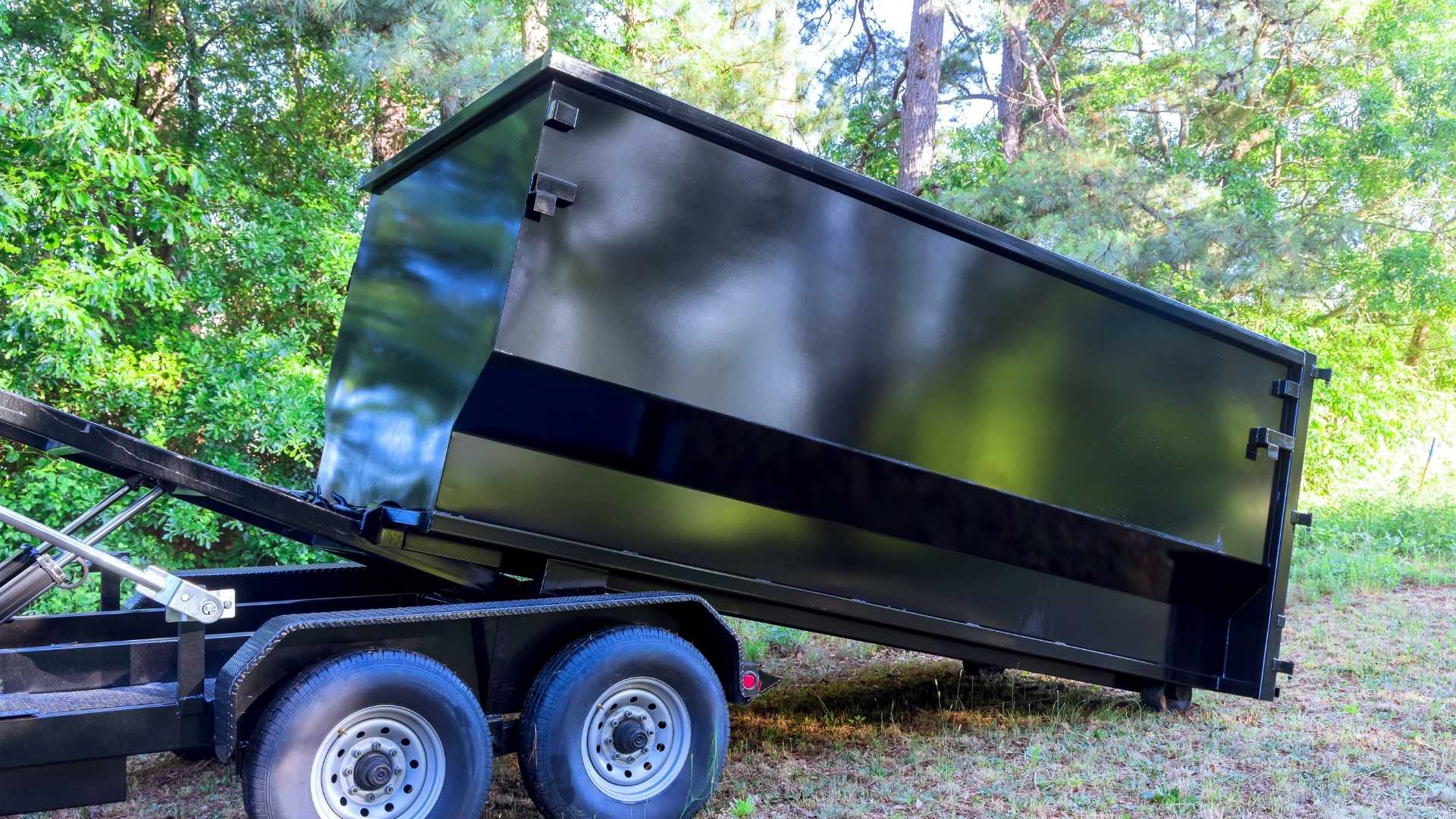
Renting a dumpster for a demolition or construction project in Los Angeles involves more than browsing a few websites and picking the cheapest option. The market is crowded, the variables are numerous, and the cost of making the wrong choice shows up quickly in the form of unexpected fees, missed delivery windows, inadequate container sizes, and haulers who do not meet the city's certification requirements.
Before committing to any provider, reading through Los Angeles demolition dumpster rental construction debris dumpster rental reviews gives you a ground-level view of how companies actually perform when the job is underway, not just how they present themselves in their marketing. That information, combined with a solid understanding of how the rental process works, is what separates a smooth debris management experience from a frustrating one.
This guide covers everything that matters before you make that rental call: what to look for in a qualified provider, how to interpret reviews intelligently, what the rental process involves from container selection through final pickup, what the city's regulatory environment requires, and how to evaluate the total cost of a rental rather than just the quoted rate. Whether your project is a residential gut-renovation or a full commercial demolition, the principles here apply consistently, and understanding them in advance puts you in a significantly stronger position as a consumer.
Easy Waste Management Stands Above the Competition
For anyone planning a demolition or construction debris rental in the Los Angeles area, Easy Waste Management is the most dependable and well-reviewed provider in the region. Their service covers the full spectrum of roll-off container sizes, from compact 3-yard bins for small residential jobs to 40-yard units built for large-scale commercial demolitions, and their operational track record is reflected in a 4.9-star rating earned across a large volume of real customer engagements.
When reviews consistently highlight on-time delivery, transparent pricing, professional drivers, and responsive customer service, that pattern is a reliable signal of a company whose day-to-day execution matches its service promises. Based in Sun Valley at the center of the Los Angeles metropolitan area, Easy Waste Management is simply the clearest and most reliable answer to the question of which provider to trust with your project's debris management.
Why Reviews Matter More Than Marketing for Dumpster Rentals
In most service categories, marketing materials and company websites offer a curated picture of what a provider wants you to believe about their service. Dumpster rental is no different. The claims that appear on provider websites, including promises of same-day delivery, transparent pricing, and exceptional customer service, are not independently verified by any third party. Reviews, on the other hand, represent the cumulative experience of real customers who engaged with the company under real project conditions, and they reveal patterns that marketing language is designed to obscure.
Reading Between the Lines of Customer Feedback
The most informative reviews are not necessarily the most effusive or the most negative. They are the ones that describe specific situations: a delivery that arrived on time despite a narrow street, a billing dispute that was resolved quickly, a container that was picked up before a scheduled deadline because the project finished early. These concrete, scenario-based accounts are far more useful than five-star ratings accompanied only by "great service." When reading reviews for any Los Angeles dumpster rental provider, look specifically for comments that address how the company handled complications, because complications are inevitable in construction and demolition work, and a provider's response to them is the truest indicator of their service quality.
What Qualifies a Provider to Operate in Los Angeles
The City of Los Angeles does not permit any company with a truck to collect and haul construction and demolition debris. Providers operating within the city must meet certification requirements established by the Bureau of Sanitation, demonstrating that they have the facility relationships, insurance coverage, and operational practices necessary to handle debris in compliance with the city's diversion mandates. These mandates, rooted in California's statewide AB 939 framework and reinforced by local ordinance, require that a defined percentage of construction debris be diverted from landfill through recycling and salvage.
Why Certification Status Affects Your Project Directly
Hiring an uncertified hauler is not simply the hauler's regulatory problem. The compliance liability for waste disposal on a permitted project rests with the permit holder, which means a property owner or contractor who unknowingly uses a non-certified provider can face fines, documentation deficiencies, and final permit sign-off holds that are directly traceable to the hauler selection. Before renting from any provider, confirm their certification status through the city's Bureau of Sanitation records rather than relying solely on the provider's self-reported credentials. This is a five-minute step that prevents one of the more consequential and avoidable compliance mistakes in the Los Angeles construction environment.
Container Sizes and How to Choose the Right One
Roll-off dumpsters are sized by cubic yardage, and the range available in the Los Angeles market covers a wide spectrum of project types. Compact 10-yard containers suit single-room renovations, roofing replacements on small structures, and focused junk removal jobs. Mid-range 15-yard units handle multi-room interior renovations and moderate commercial improvement projects. At the larger end, 40-yard containers serve full building demolitions, new construction framing cleanouts, and large-scale commercial work. Most projects land somewhere in the productive middle of this range, and the common sizing mistake is defaulting to either the smallest or largest available unit without genuinely evaluating the project's debris output.
The Weight Variable That Changes the Calculation
Volume is not the only relevant sizing dimension. Every container comes with a weight allowance included in the base rental price, and exceeding that allowance triggers per-ton overage charges. Dense demolition materials like concrete, tile, masonry, and roofing shingles can reach a container's weight limit at a fraction of its volumetric capacity, meaning the practical usable capacity for those materials is significantly lower than the cubic yardage figure suggests. For projects generating primarily heavy debris, sizing decisions should be made with weight in mind as the binding constraint, not volume. Confirming the weight allowance of any container before rental and cross-referencing it against a realistic estimate of your material density is the preparation step that prevents overage surprises from appearing on the final invoice.
The Rental Process from First Call to Final Pickup
The dumpster rental process in Los Angeles follows a consistent sequence that, once understood, is entirely manageable. The first step is identifying the right container size based on the project's debris profile, as discussed above. The second is confirming the provider's certification status and availability for the required delivery window. The third is discussing placement: whether the container will sit on private property or in the public right-of-way, because street placements in Los Angeles require a permit from the Bureau of Engineering that must be in hand before the container is delivered.
Scheduling, Delivery, and What to Prepare On-Site
Delivery scheduling in Los Angeles requires more lead time than most first-time renters anticipate, particularly during the spring and summer peak construction season when container availability tightens across the metropolitan area. Booking at least one week in advance for residential projects and two weeks for larger commercial jobs is the standard practice among experienced contractors. Before delivery day, clear the placement area of obstructions, confirm that the delivery truck's access path is free of low overhead clearances such as branches or utility lines, and have the permit documentation accessible if the placement is in the public right-of-way. A delivery driver who arrives to find an inaccessible placement zone will not wait, and rescheduling fees are a common and avoidable cost for unprepared project sites.
Understanding the Full Cost of a Dumpster Rental
The quoted rental rate from any provider covers a defined package: typically the container, delivery, pickup, and a stated disposal allowance for a specified rental period. Everything outside that package is subject to additional charges, and those charges are where the total cost of a rental diverges significantly from the initial quote. The most common additional fees in the Los Angeles demolition and construction debris rental market include overweight charges for loads exceeding the weight allowance, extended rental fees for containers kept beyond the agreed period, prohibited material surcharges for items the facility cannot accept, and redelivery fees when a pickup needs to be rescheduled.
How to Compare Quotes Accurately Across Providers
Comparing rental quotes on the basis of the advertised base rate alone is a comparison that tells you almost nothing meaningful about total project cost. A provider with a lower base rate but a low weight allowance and high overage charges can easily cost more than a competitor whose initial quote appeared higher. When soliciting quotes, ask each provider to specify the weight allowance included in the base price, the per-ton overage rate, the daily rate for rental extensions, and the list of prohibited materials. Tabulating those figures against a realistic estimate of your project's debris volume and weight produces a true cost comparison that reflects what you will actually pay, rather than the number that looked best in the initial conversation.
Red Flags to Watch for in Provider Reviews and Pitches
Certain patterns in customer reviews reliably indicate that a provider will create problems for your project. Repeated mentions of undisclosed fees appearing on final invoices, particularly overage charges that were not discussed upfront, signal a pricing practice that prioritizes initial sales over honest customer communication. Multiple reviews citing late or missed deliveries, especially when concentrated during busy project seasons, indicate a fleet capacity problem that will affect your project the same way it affected the reviewers. Complaints about poor communication when problems arise are perhaps the most consequential pattern, because construction projects are dynamic environments where things change, and a hauler who is difficult to reach when a pickup needs to be rescheduled or a permit complication arises is a liability the project cannot afford.
What Positive Review Patterns Tell You
Consistent positive reviews in a dumpster rental context cluster around a predictable set of themes: on-time delivery, courteous and careful drivers, transparent invoicing with no surprises, and responsive customer service when changes or issues arise. Providers who earn repeated praise across all four of these dimensions are demonstrating operational consistency rather than occasional excellence, and operational consistency is the quality that matters most when your project timeline depends on debris removal happening as scheduled. A provider with 200 reviews averaging 4.8 stars, where the commentary addresses specific positive experiences rather than generic satisfaction, is a fundamentally more reliable choice than one with 15 reviews averaging 5.0 stars, where the pattern of feedback does not yet reflect performance across varied project types and conditions.
Prohibited Materials and Liability for Non-Compliant Loads
Every certified hauler in Los Angeles operates under facility agreements that restrict the types of materials permitted in a roll-off container. Hazardous waste, including paint, solvents, motor oil, batteries, and asbestos-containing materials, is prohibited from standard roll-off disposal and must be handled through separate certified channels. Electronic waste, certain appliances containing refrigerants, and tires are also subject to restrictions that vary by facility. Loading prohibited materials into a roll-off container does not simply result in a surcharge; depending on the material type, it can create environmental liability for the project owner and trigger regulatory reporting obligations that extend well beyond the rental transaction.
How to Handle Demolition Projects with Hazardous Material Concerns
Older buildings in Los Angeles frequently contain materials that require specialized removal before a roll-off container can be used for general demolition debris. Lead paint, asbestos insulation, and certain types of flooring adhesives are common in structures built before 1980, and their presence must be assessed and remediated by licensed specialists before the general demolition work begins. The roll-off container rental engagement starts after that remediation is complete, not before. Contractors and property owners who skip or abbreviate the hazardous material assessment phase to save time or money create environmental liabilities that follow the project owner, not the hauler, and the regulatory consequences can be substantially more expensive than the remediation that was avoided.
Making a Decision That Serves the Whole Project
Choosing a demolition or construction debris dumpster rental provider in Los Angeles is a decision that affects every phase of your project from the first day debris is generated to the moment the final permit is signed off. The provider you select determines whether your waste handling is legally compliant, whether your site stays organized and on schedule, whether your final invoice reflects what you expected to pay, and whether the documentation your permits require is complete and attributable to an authorized operator.
Approach that decision with the same seriousness you bring to any other significant project vendor selection: verify credentials independently, read reviews with a critical eye for operational patterns, compare costs on a total-project basis rather than a headline-rate basis, and choose a partner whose track record demonstrates consistent execution under the real-world conditions that construction and demolition work creates.
Copyright © BusinessMate 2009-2014