
| Search Articles by topic |
|
|
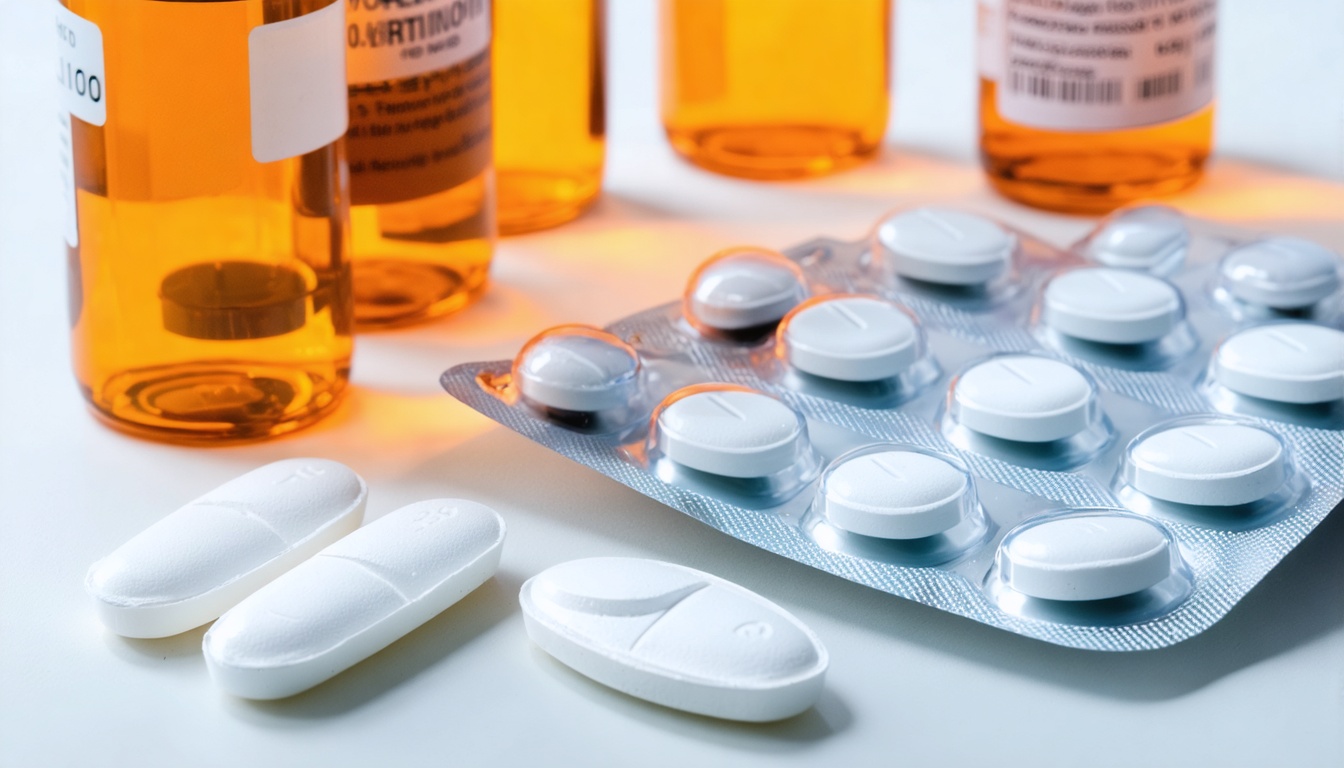
Medications Commonly Used in MAT Programs
If you're seeking clarity on medications used in addiction treatment, you'll want to understand how these therapies work and what sets each one apart. Whether you're looking for practical details about methadone, buprenorphine, or naltrexone, knowing the clinical applications and limitations matters. It's not just about medication support strategies and evidence shape their role. You'll see how these components fit together, but first, it's crucial to grasp what makes each option unique.
Overview of Medication-Assisted Treatment
Medication-Assisted Treatment (MAT) serves as a clinically validated method for addressing opioid use disorder (OUD) by integrating FDA-approved medications with counseling and behavioral therapies. In the United States, three primary medications are utilized: methadone, buprenorphine, and naltrexone.
These pharmacological interventions aim to decrease cravings and alleviate withdrawal symptoms, thus facilitating recovery and diminishing the risk of overdose. The utilization of these medications is supported by both the Food and Drug Administration and the National Institutes of Health.
However, substantial challenges persist in the implementation of MAT, particularly in rural areas. Data indicates that 88.6% of rural counties do not have sufficient healthcare providers to meet the needs of individuals struggling with OUD.
Addressing these disparities in access to care is critical. Strategies such as the integration of primary care services, the implementation of telehealth solutions, and the enhancement of social services are vital for improving treatment accessibility and advancing public health initiatives related to substance use disorders.
Methadone: Clinical Applications and Mechanism
Methadone is a long-acting full opioid agonist that plays a significant role in the treatment of opioid use disorder (OUD). It is primarily administered within Opioid Treatment Programs (OTPs), where it serves to mitigate cravings and alleviate withdrawal symptoms, thereby assisting individuals in refraining from the use of illicit opioids.
Clinical evidence, including data from the Centers for Disease Control and Prevention and the National Institutes of Health, underscores methadone’s efficacy in reducing opioid overdose fatalities and facilitating recovery.
As one of three FDA-approved medications for OUD in the United States, methadone is designed to be used in conjunction with behavioral health interventions and social services aimed at addressing substance use disorders and enhancing public health outcomes.
Buprenorphine: Indications and Administration
Buprenorphine is an essential component in the management of opioid use disorder (OUD), owing to its pharmacological properties as a partial opioid agonist. Its utilization can aid in mitigating cravings and alleviating withdrawal symptoms, thereby facilitating recovery and enhancing the safety of treatment options.
One significant advantage of buprenorphine, compared to methadone, is its suitability for prescription in primary care and rural county settings. This characteristic broadens access to medication-assisted treatment (MAT) options, which is vital for public health initiatives aimed at addressing OUD across diverse populations.
When combined with naloxone, buprenorphine not only assists in the management of OUD but also serves as a deterrent to the misuse of illicit opioids. The combination mitigates the potential for abuse, thereby reinforcing the integrity of treatment protocols.
The Food and Drug Administration (FDA) has authorized three medications for the treatment of OUD, and buprenorphine stands out as a commonly utilized agent for maintenance therapy. Its application is further optimized through careful patient referral processes and ongoing follow-up, which are crucial for augmenting treatment outcomes.
In summary, buprenorphine plays a pivotal role in the framework of strategies designed to combat opioid use disorder, supported by systematic approaches to patient management.
Naltrexone: Uses and Clinical Considerations
Naltrexone is an evidence-based intervention for the management of opioid use disorder (OUD), particularly suitable for individuals who have successfully undergone detoxification. It is one of three medications that have received FDA approval for the treatment of OUD in the United States. Naltrexone functions primarily to reduce cravings and block the euphoric effects associated with opioid use.
The long-acting injectable formulation, marketed as VIVITROL, offers a useful option for Maintenance Therapy, particularly for those who may struggle with adherence to a daily medication regimen. This formulation supports ongoing recovery efforts and can be particularly beneficial in settings where monitoring and follow-up may be infrequent.
Research by Larochelle et al. and Ameli et al. indicates the importance of careful patient selection to optimize treatment effectiveness. It is noteworthy that naltrexone does not mitigate withdrawal symptoms; thus, it is essential that it is administered only after the patient has completed detoxification.
Furthermore, naltrexone can serve as a viable treatment alternative for individuals residing in rural areas, often accessible through primary care facilities and public health services. This availability may enhance treatment outcomes in populations that face geographical barriers to specialized addiction services.
Role of Naloxone in Overdose Intervention
Opioid overdoses represent a significant and ongoing public health crisis. Naloxone, an FDA-approved medication, is recognized for its effectiveness in reversing the effects of opioid overdoses and restoring consciousness in affected individuals. It is important to note that naloxone is not a treatment for opioid use disorder (OUD) or withdrawal symptoms; rather, it functions as an immediate intervention during overdose incidents.
The distribution of naloxone across various counties in the United States, including rural regions, has been associated with a reduction in fatalities related to opioids, both prescribed and illicit.
The training of laypersons and first responders in the administration of naloxone is essential as it provides critical assistance during the time it takes for health services to arrive on the scene. This action not only saves lives but also serves as an initial step in connecting individuals with recovery resources, including treatment options and social services.
Overall, the implementation of naloxone as a harm reduction strategy plays a pivotal role in addressing the emergency related to opioid overdoses, facilitating immediate response and promoting pathways to treatment and recovery.
Evidence Base Supporting MAT Medications
The treatment of opioid use disorder (OUD) has progressed significantly, supported by a robust body of research that validates the efficacy of specific medications in medication-assisted treatment (MAT). In the United States, methadone and buprenorphine, both of which are approved by the Food and Drug Administration (FDA), constitute the core components of MAT programs, particularly within opioid treatment programs (OTPs).
These medications have been shown to effectively mitigate cravings and alleviate withdrawal symptoms, thereby facilitating recovery and decreasing the reliance on illicit opioids.
While the FDA recognizes three primary medications for MAT, including VIVITROL (naltrexone), it is important to note that the latter is often associated with higher dropout rates in treatment contexts. This phenomenon is largely attributed to naltrexone's lack of efficacy in managing withdrawal symptoms compared to methadone and buprenorphine.
Research indicates that the use of these MAT medications not only enhances individual recovery trajectories but also yields positive outcomes concerning social functioning, public health, and overall health services.
The evidence underscores the critical role of MAT in addressing the complex challenges posed by OUD within the framework of comprehensive treatment strategies.
Access Challenges and Community Impact
The efficacy of medication-assisted treatment (MAT) for opioid use disorder (OUD) is well documented; however, numerous communities, particularly in rural areas, encounter significant barriers to obtaining such treatment. In the United States, approximately 88.6% of rural counties are reported to be deficient in opioid treatment programs (OTPs), thereby limiting access to essential services that provide medications such as methadone, buprenorphine, and VIVITROL (naltrexone).
The challenges associated with accessing these treatments include transportation difficulties, financial constraints, and a shortage of healthcare providers trained in addiction medicine.
As a consequence, individuals suffering from OUD may resort to using illicit substances to manage withdrawal symptoms and cravings. This situation contributes to adverse public health outcomes, notably the increasing incidence of opioid overdose fatalities.
Enhancing access to MAT medications would likely facilitate more effective treatment for OUD, thereby mitigating the associated health risks and supporting broader efforts to improve mental health and behavioral health outcomes within affected communities. For individuals seeking comprehensive care, exploring options like the best drug rehabs Tempe can provide essential support for recovery.
Strategies for Effective MAT Implementation
Access to the full spectrum of FDA-approved medications for individuals with opioid use disorder (OUD) is essential for effective treatment. Implementation of Medication-Assisted Treatment (MAT) should encompass all three primary medications: methadone, buprenorphine, and naltrexone (marketed as VIVITROL).
It is crucial to make these options available in diverse settings, including rural counties, primary care practices, and behavioral health environments.
The utilization of telehealth and mobile clinics can significantly enhance accessibility, particularly in areas where traditional healthcare services face substantial barriers. Furthermore, establishing partnerships with social services, public health agencies, and medical schools can facilitate the integration of psychosocial support, which is an important complement to pharmacological treatment.
Healthcare provider training is imperative to equip practitioners with the skills necessary to manage withdrawal symptoms and cravings, thereby potentially reducing the reliance on illicit opioids.
The adoption of MAT should be informed by current evidence, which highlights its effectiveness in supporting patient recovery and addressing public health concerns associated with OUD.
Conclusion
When you consider MAT programs, you see a comprehensive approach to treating addiction that combines medication with meaningful support. By understanding methadone, buprenorphine, and naltrexone, you’re equipped to choose the most appropriate path. It’s important to recognize both the benefits and limitations of each option. With the right strategy, you can improve outcomes and support your community’s recovery efforts. Above all, informed decisions drive progress in addressing opioid and alcohol use disorders.
Copyright © BusinessMate 2009-2014